How Much Bitcoin Should I Buy for My Child?
We're parents sharing what we've learned, not financial advisors. Some links may pay a referral. Full disclosure.
This is a parent framework, not personal financial advice. Your child does not need a moonshot. Your child needs a system you can keep through volatility, taxes, forgotten passwords, and normal family chaos.
The monthly rule
Start with an amount you can afford to lose on paper without changing the family budget. Bitcoin has a fixed supply schedule, but the market price is volatile. That means the kid stack should sit after emergency cash, high-interest debt cleanup, and basic household stability.
A useful starter range is not a magic BTC target. It is a monthly rule: $10, $25, $50, or $100 per month, automatically bought and moved into the family custody plan when the balance is worth protecting. The rule matters more than the first number.
Should I buy Bitcoin for my child all at once or monthly?
Monthly buying is cleaner for most parents because it removes the fake precision of trying to pick the perfect day. A lump sum can work if you already have conviction and cash set aside, but it also creates more regret if price drops immediately after you buy.
The parent move is boring: choose a monthly amount, write down why you chose it, and review it once per quarter. If the budget changes, adjust the contribution. Do not make the kid stack compete with groceries, insurance, or the emergency fund.
What percentage of my child's savings should be Bitcoin?
Treat Bitcoin as the long-term, high-volatility layer, not the whole savings plan. If your child will need money soon for camp, braces, a car, or tuition, that money probably belongs in dollars or another low-volatility account. Bitcoin is better suited for the 10- to 20-year family treasury layer.
One simple structure is three buckets: cash for near-term needs, traditional education or brokerage savings if that fits your family, and Bitcoin for the scarce-money bet. The Bitcoin percentage should be low enough that you can keep holding through a brutal drawdown.
When should I move my child's Bitcoin off an exchange?
Move Bitcoin off an exchange once the amount is large enough that losing access would bother you, but not before you understand custody. Self-custody is powerful because Bitcoin can be controlled without a bank, but it is unforgiving if you lose the seed phrase.
For small starter amounts, a reputable app can be training wheels. For larger balances, use a hardware wallet and a written family custody plan. Our family custody starter kit walks through the parent version: device choice, seed storage, spouse instructions, and kid training.
How do I explain the kid stack without making Bitcoin feel like a lottery ticket?
Say this: “We are saving a little bit in Bitcoin because nobody can make more than 21 million. The price can move a lot, so we do not use it for next month's bills. This is a long game savings jar.”
That framing matters. If you make Bitcoin sound like a get-rich machine, your child learns speculation. If you make it sound like scarce savings with real risk, your child learns stewardship.
What is the simple parent rule?
- Pick a monthly amount the family can keep through a bad year.
- Keep near-term child expenses out of Bitcoin.
- Move meaningful balances into a custody plan you have actually tested.
- Write down who can access it if something happens to you.
- Teach the child gradually: savings first, custody later.
The goal is not to create the world's youngest trader. The goal is to build a small family treasury habit your kid can inherit, understand, and eventually protect.
Sources
- Nakamoto, Satoshi. Bitcoin: A Peer-to-Peer Electronic Cash System (2008).
- IRS. Digital assets tax information.
- CFPB. Crypto-asset complaint bulletin.
This site is created by a Bitcoin advocate and parent. It presents one perspective on money and financial education. Nothing here is financial advice. Bitcoin is volatile and you can lose money. Consult a licensed financial advisor before making investment decisions for your family.
Keep reading
Should I Buy Bitcoin for My Child?
An honest look at buying Bitcoin for your kid. The case for it, the risks, and how to think about it as a parent.
How to Buy Bitcoin for Your Child
The actual step-by-step for buying Bitcoin for your kid. Which exchange, how much, where to store it, and the tax stuff nobody warns you about.
Family Bitcoin Custody Starter Kit for Parents
A practical parent custody checklist: when to move Bitcoin off exchanges, Bitkey vs Trezor, recovery, spouse instructions, and kid training.
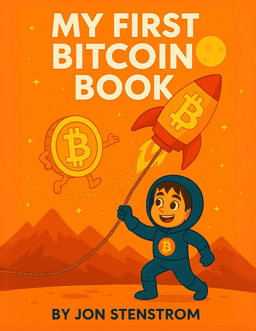
Teach the next steward of your family treasury
My First Bitcoin Book is the easiest way to make Bitcoin language normal at home. 26 concepts, fun illustrations, designed for ages 3-8.
Buy on Amazon